Welcome
My name is Daniel Armyr. I love working with teams of people as a way to achieve things that would otherwise not be possible.
How much can a small, exceptionally well-designed team of ordinary people accomplish sustainably?
I am the CTO of Conversy, which builds speech-AI tools that turn spoken audio into searchable, analyzable and actionable information for security-critical applications. I chose Conversy in 2023 because it had a development team that wanted to become exceptionally good at their job and was small enough that organisational inertia would not get in our way.
We have spent the last three years removing friction. We keep our developers close to our customers. We have invested heavily in deployment and infrastructure. We have improved our development practices. And most of all we have actually spoken to each other.
The result is a team that can deliver at a level I had not thought possible a few years ago. And now AI tools can help us remove even more friction, helping juniors reason about their code and assisting seniors in mundane tasks.
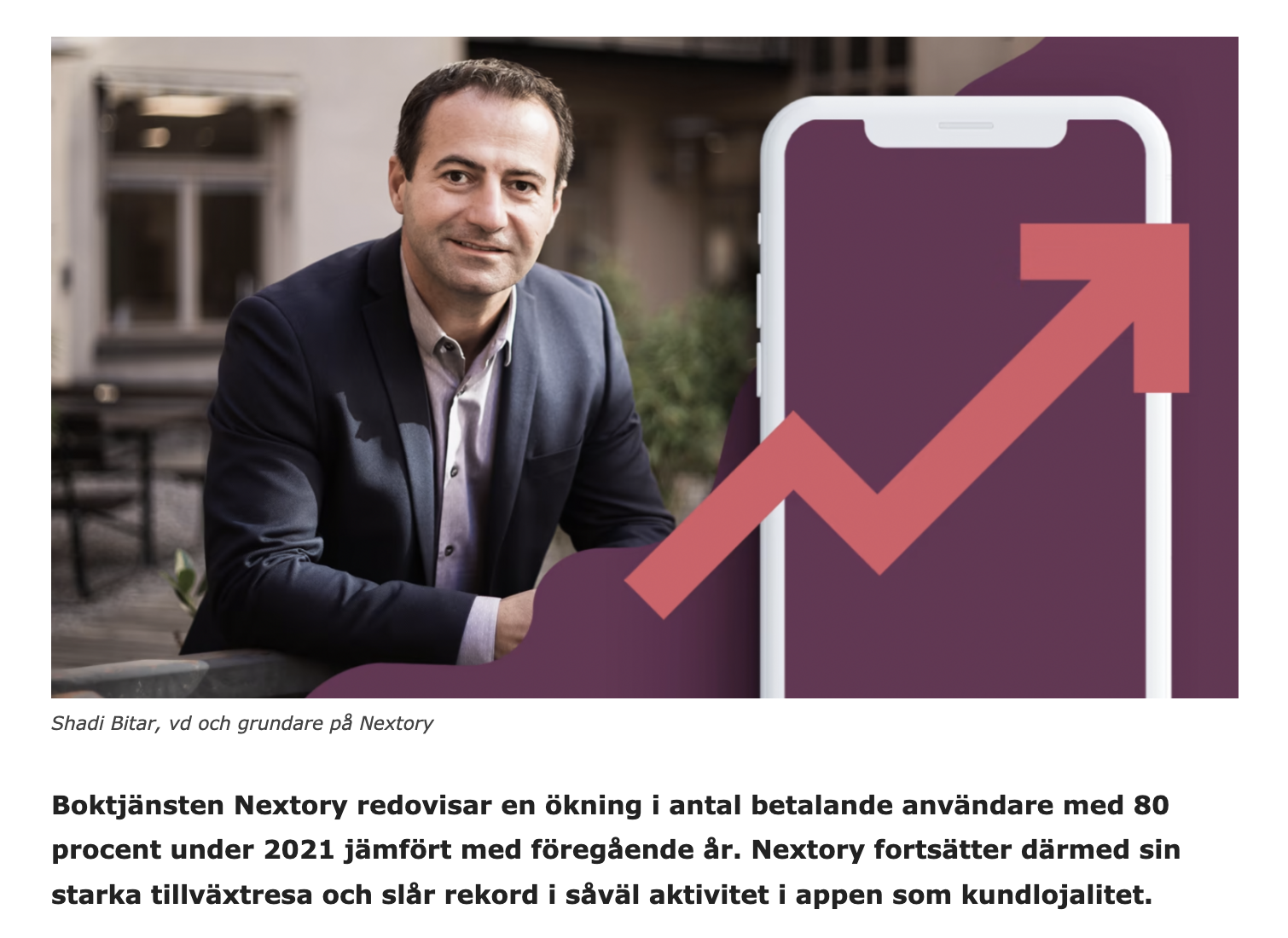
I spent the previous seven years at Nextory tackling the same question on a larger scale. Nextory provides an unlimited digital book subscription service.
When I started, Nextory had a dozen developers and less than 2 000 customers. At its peak, I coordinated teams totalling 70 developers and we reached 200 000 customers. We did all of this with a much smaller budget than the competitors, with high staff satisfaction, and engineers who came back after leaving.
At Nextory, I focused on how to build effective product teams at scale. Our engineers were spread across cultures, continents and technologies and we reorganised ourselves into cohesive, trusting vertical product teams that helped people find books that they loved.
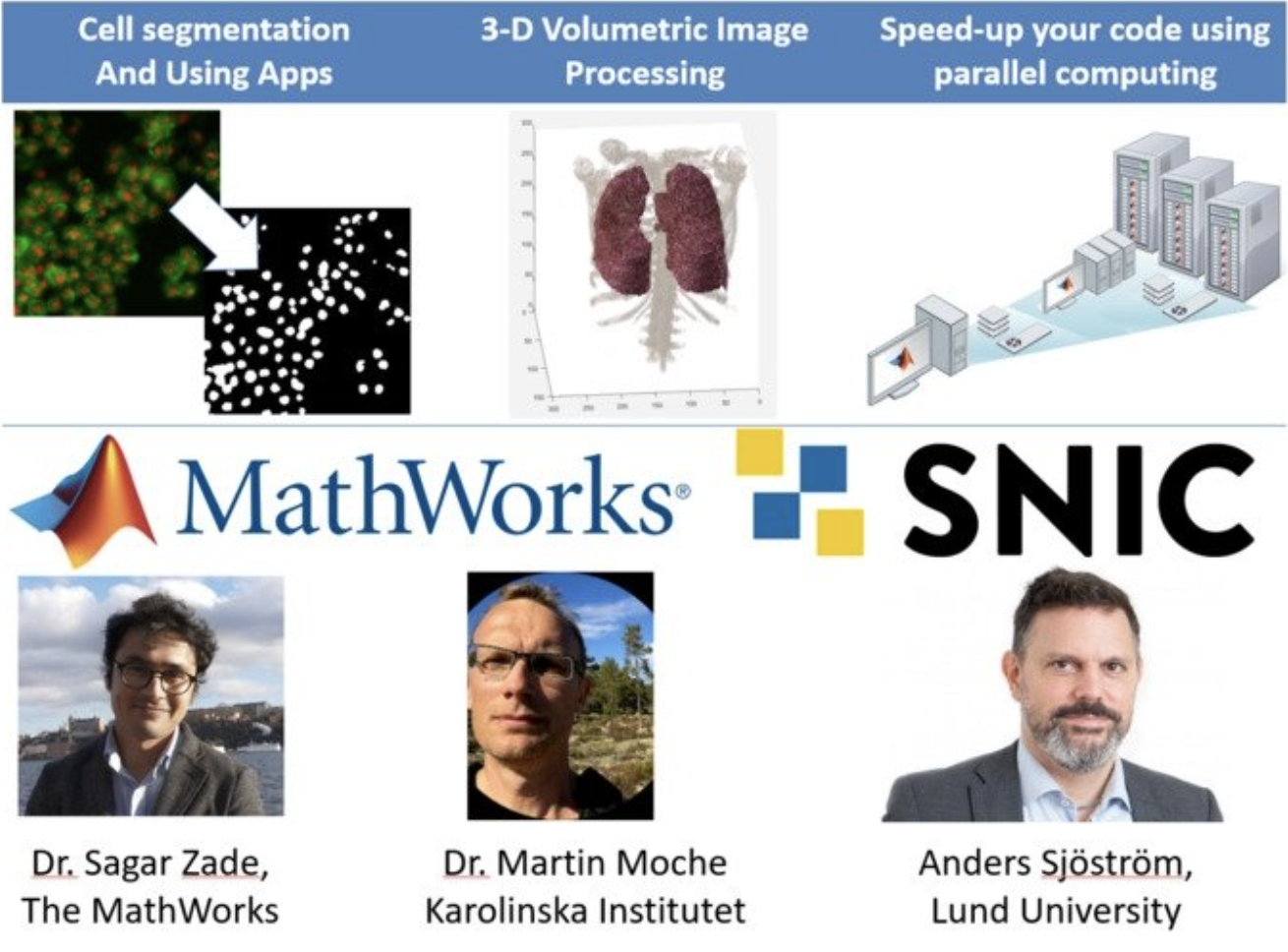
Great teams need a customer problem to solve. As an application engineer in the MathWorks sales division and as a data modelling consultant I talked to customers every day.
One example was the National Supercomputing Centre where I helped create a first-of-its-kind setup giving all Swedish university staff the ability to run MATLAB on their supercomputers.
I quickly learned that what the customer says they want is a good starting point, but there is very often a much better solution for them hidden just underneath the surface and only a few well-selected questions away.
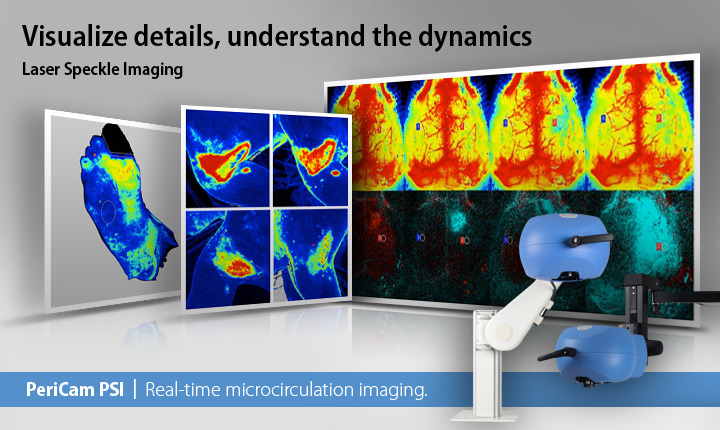
Understanding the customer challenge is half the battle. Delivering a solid engineering solution is the other half. Perimed designs and manufactures equipment for measuring microcirculation and healing power in living tissue.
As a hardware engineer I helped bring multiple products from the lab to production, including being lead engineer for one product that is still being sold decades later. I was also part of the project to introduce agile development into the highly regulated world of medical devices.
I learned the hard way that design decisions have consequences in production and service.
A single person can do a lot, but great results are achieved by teams. As a scout and later leader and troop chief I got to see first-hand what a team of ordinary individuals can achieve.
It started with a group of teenagers building a fully functioning kitchen using only sticks and rope. It ended with a staff kitchen on a field run entirely by untrained volunteers serving 10 000 people three meals per day, where I was in charge of washing the dishes.